Your Monthly Giving Questions, Answered: Insights from the 4aGoodCause Training
Monthly giving is more than a fundraising tactic. It's a relationship-building strategy that creates sustainable revenue and deeper connection with the people who believe in your work.
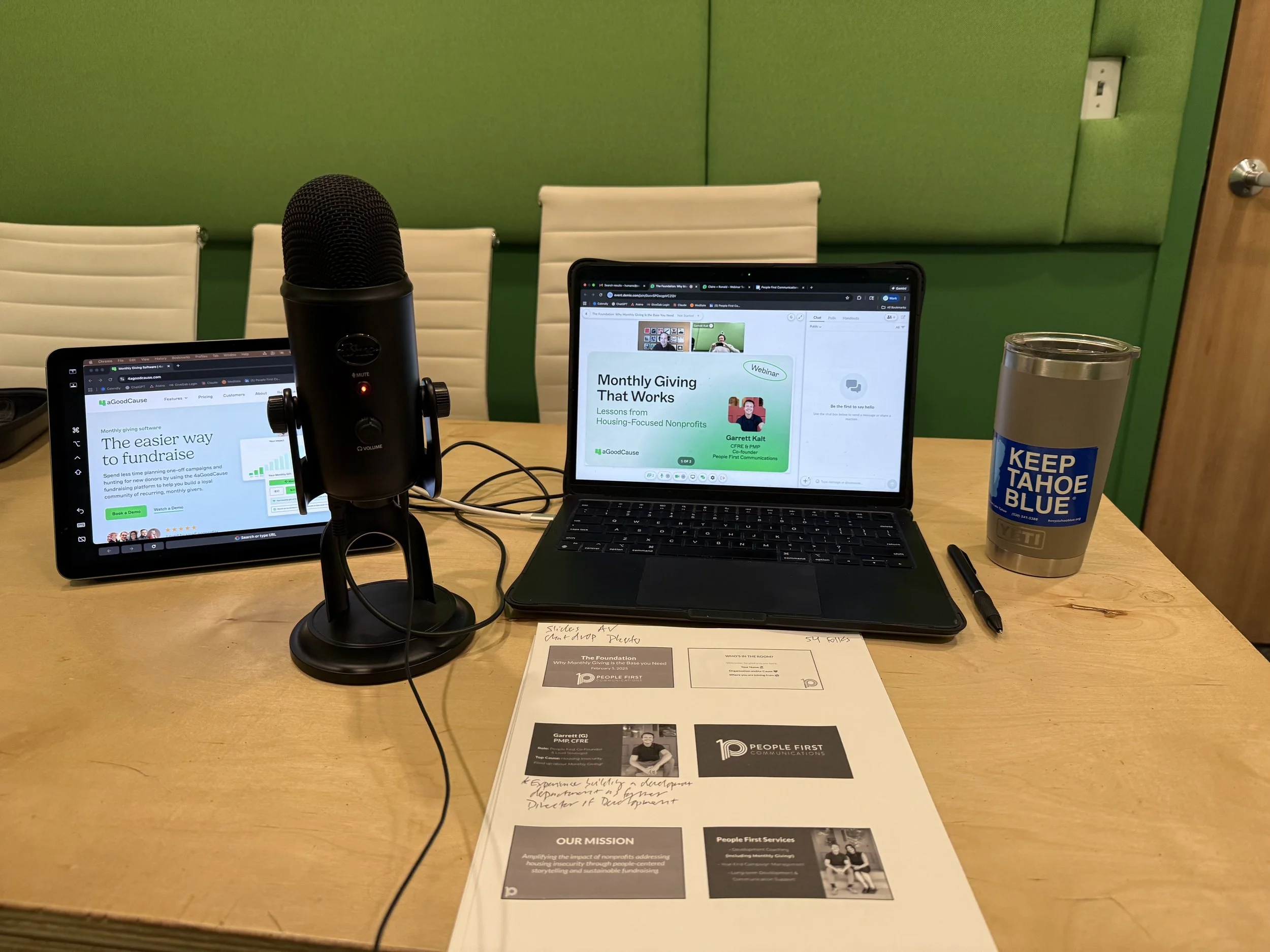
Last week, I joined Ronald Pruitt and the 4aGoodCause team for a live training on building sustainable monthly giving programs. The energy was incredible. Attendees from across the U.S. and as far as South Africa, Belgium, India, and Canada showed up ready to learn, share, and dream about what's possible when we build recurring donor communities.
Below are the questions submitted with training registration, along with my candid answers influenced by my experience building and growing programs and the monthly giving experts who have shaped my thinking.
Program Strategy & Launch
Should we recruit new donors for monthly giving or focus on converting existing one-time donors?
The short answer: both.
Start with your strongest believers: board members, longtime supporters, volunteers, and people who have demonstrated deep commitment to your mission. These are the folks who will understand the value of monthly giving and become your founding members. Their participation gives you credibility and momentum.
Once you've invited your inner circle, work your way outward. Identify a target audience from your existing donor base. For example, supporters who have made 1-3 donations in the last three years totaling less than $3,000. This group has shown interest but hasn't been cultivated into deeper partnership quite yet.
Here's where it gets powerful: you can run both broad campaigns and one-to-one outreach at the same time. Launch a general monthly giving campaign to all supporters while simultaneously doing intentional personal outreach to specific individuals. You're not just sending a mass email and hoping for the best. You're building relationships.
How can a small team with limited marketing experience and budget launch a monthly giving program that generates revenue quickly?
Here's the truth that often surprises people: most nonprofits already have what they need to start and grow monthly giving. You don't need fancy expensive software, a big budget, or a marketing degree. You need time, focus, and commitment.
Start by making monthly giving a priority. Block time every week to work on it (Monthly Giving Mondays!). Even one focused hour can move the needle.
For quick wins, go back to your strongest believers. Maybe it becomes a board expectation that every member gives monthly and recruits four people from their network to do the same within a calendar year. Choose a team lead and build support around them so they're not doing this alone.
Make sure monthly giving is clearly offered on your donation pages and in your appeals. Then create targeted touchpoint campaigns. For example, when someone makes a one-time gift of $250-$1,000, they get a phone call thank you, a handwritten note, and a few weeks later an email explaining their impact. After that cultivation, you invite them to become a monthly supporter.
You can also approach major donors differently. Someone who gave $10,000 last year? Invite them to give $1,000 monthly instead. This creates predictable revenue for you and makes their giving more manageable. Erica Waasdorp, talks about this approach in her work: sometimes monthly giving is actually easier for major donors because it smooths out their cash flow.
But here's an important mindset shift: monthly giving is less about building revenue quickly and more about building strong relationships and sustainable revenue you can rely on. It's the foundation, not the quick fix.
What are best practices for building a new monthly giving program and engaging our first few donors?
Start with an audit. Review how (or if) your organization currently invites people to give monthly. If you already have monthly supporters, how are they being communicated to (automated emails? Thank you letters?) if at all? Check in with them about their experience. What's working? What could be better?
Build a dashboard so you have clear visibility into how many monthly supporters you have and how much income you're generating each month and year. Then do the math and dream a little. What becomes possible with 50 monthly donors? 100? 200? 4aGoodCause has a free calculator to help you see what's possible.
Next, decide who will lead this work. Dave Rayley, a fundraising strategist who has helped countless organizations build recurring giving programs, is adamant about this: someone needs to own monthly giving. It can't be "everyone's responsibility" because then it becomes no one's priority.
Build a supportive team around your monthly giving lead. Make sure leadership understands the value and impact of monthly giving. Get them fired up about it.
Your first supporters should be people who really care about your organization. Show deep gratitude and articulate why giving monthly matters. Then invite them to help you grow the program. Make them part of the story.
Consider a soft internal launch first, then build toward a public launch with a time-bound goal. For example: "We're looking for our Founding 100 Keyturners. We have 63 so far. Will you join us?" Time-bound goals with visible progress create urgency and momentum.
Messaging & Value Proposition
How do we frame monthly giving so that people who can only give small amounts understand their vital impact?
This is where the power of collective action comes alive.
Frame your program as a way to be part of the solution to the big problem your organization is trying to solve (ending local homelessness for example).
No single person can solve it alone. But when we all do our part, every gift matters. Frame it as: we're in this together.
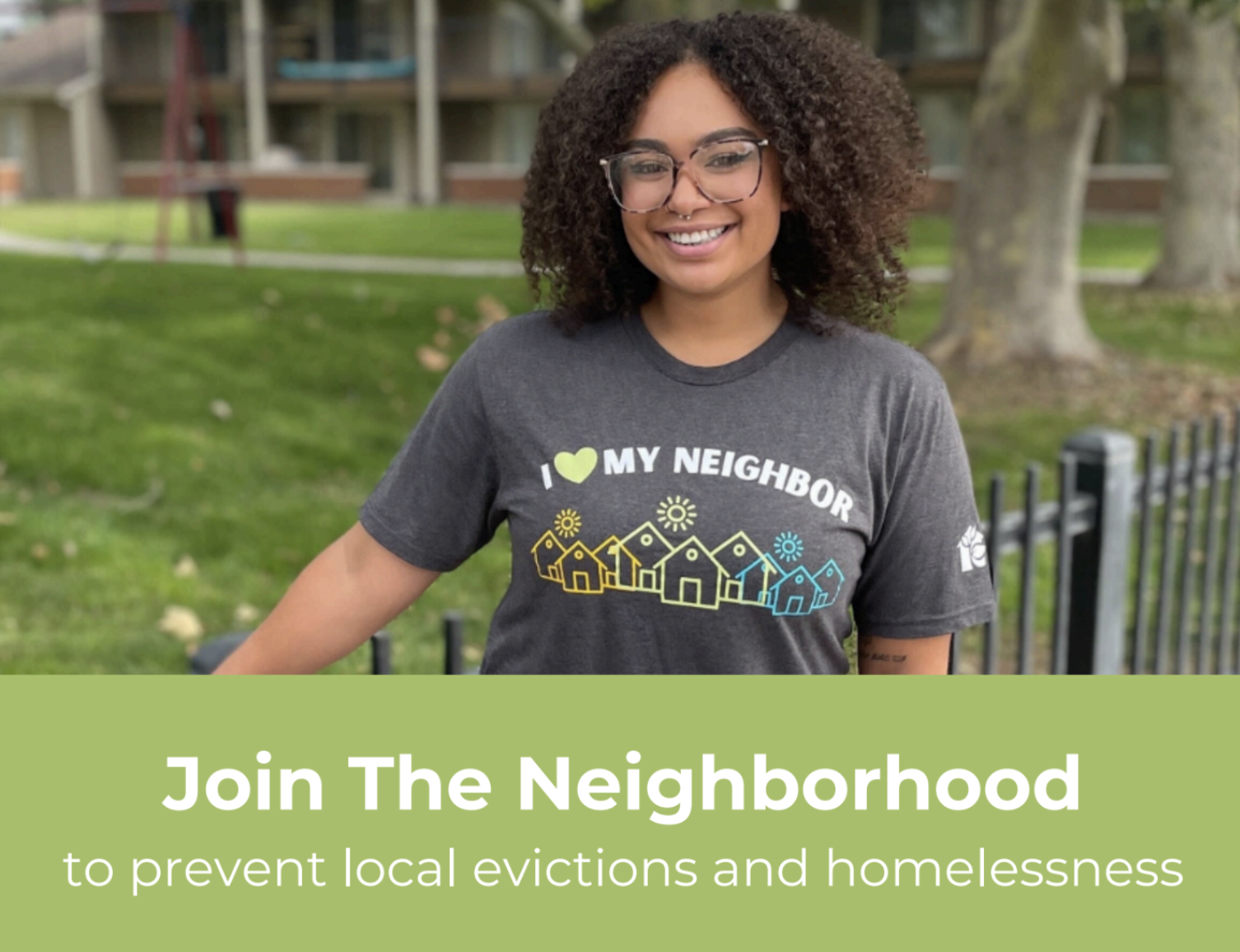
Showcase the collective group's impact. For example: "We have 121 members of The Neighborhood, and together they are preventing homelessness for two local families each month. That's 24 families a year." That's the power of many people moving in the same direction.
When housing is framed as a solvable problem requiring community will, people understand their role. A $25 monthly gift might feel small on its own, but as part of a movement? It's powerful.
What messaging helps donors see the value and benefits of giving monthly?
Be honest with people.
Start by asking yourself: what does monthly giving make possible for our organization? The answers are real and compelling:
It allows you to focus less on constant fundraising and more on doing your mission work
It creates sustainable and reliable income you can plan around
It shows you who's truly in it with you for the long haul
Ronald Pruitt, founder of 4aGoodCause, found that on their platform, monthly donors give an average of $648 per year (compared to the national benchmark of about $288 per year). That higher retention and giving happens because monthly donors feel valued and connected to the mission.
Tell monthly donors they are special. Outline clear donor promises (ex: The Frontline):
Special impact reports (maybe a quarterly email that only goes to monthly supporters)
Exclusive access (they hear about things first, get invited to special experiences)
Community with likeminded people who share their values
People want to be part of something with greater purpose, alongside other humans who care. Monthly giving creates that belonging.
What motivates someone to decide to become a monthly donor?
The motivations vary from person to person, but a few themes emerge consistently.
For some, it's practical: monthly giving is a way to budget their philanthropy and show up consistently for causes they care about. For others, it's about values and belonging. They want to be part of the mission work, not just write a check once a year.
Here's what I've learned from years of building these programs: it's not the swag or perks that motivate people. It's the chance to act on their values and be part of something meaningful. People want to do good and feel good. Monthly giving is a platform for that.
Dana Snyder talks about "giving donors a chance to be the hero of the story." Monthly giving does exactly that. It says: you're not just supporting this work, you're making it possible.
That said, monthly giving isn't for everyone. Your job is to make the option available, demonstrate its importance, share how monthly supporters will be connected to the mission, and then follow through on those donor promises. Think of it as building a club for your organization. Start small, deliver on your commitments, and grow consistently.
Communication & Outreach
What templates or approaches work best for promoting monthly giving when we have limited time with prospects (in-person, print, or digital)?
Make it easy for people to say yes by putting monthly giving everywhere it makes sense.
Ensure monthly giving is an option on your website, in your emails, in your appeals, and on every donation page. Bonus points if you have a dedicated monthly giving button on your homepage or menu bar. Something like "Join The Frontline" or "Become a Keyturner" that creates identity and belonging.
Integrate your monthly giving ask into existing campaigns. If you do a paddle raise at your gala, include monthly giving as an option. If you send direct mail appeals, make sure there's a monthly checkbox.
Include a link to your monthly giving program in email signatures. Not just in mass communications, but in personal staff emails too. You'd be surprised how many people notice and click.
The key is integration. Monthly giving should be woven into how you talk about supporting your mission year round.

CATCH turned their 15th anniversary into an opportunity to grow their monthly giving program, inviting guests to become one of 15 new Keyturners.
Donor Conversion
What is the most effective process for converting one-time donors to monthly giving?
Think of conversion as a cultivation journey, not a one-time ask.
First, determine your target audience. For example: pull a report of supporters who have given 1-3 gifts totaling less than $3,000 in the last year. These are people who have shown interest but haven't been deeply cultivated yet.
Before you ask them for anything, make sure they've been thanked well. If they haven't, it's not too late. Send a personal email showcasing the impact of their support.
Then map out a touchpoint sequence:
Gratitude email highlighting impact
Quick phone call to say thank you
Invitation to join your monthly giving program (with a clear, time-bound goal)
Follow-up call or text
Update email showing progress toward your goal (ex: looking for 12 new members by the end of the month)
Final call or text before the deadline
Erica Waasdorp recommends at least 3-5 touchpoints before asking for a monthly commitment. You're building relationship equity before you make the ask.
Make your invitation clear and time-bound. For example: "We're growing The Neighborhood by 20 new monthly supporters this month. I wanted to personally invite you, and here's why…"
Then track your progress publicly. Let people know how many have joined and how close you are to the goal. This creates urgency and social proof.
Nonprofits that use 4aGoodCause have access to a conversion tool that asks one-time givers to convert to monthly, and it converted at 3% in 2024. Small features like this can add up to significant program growth.
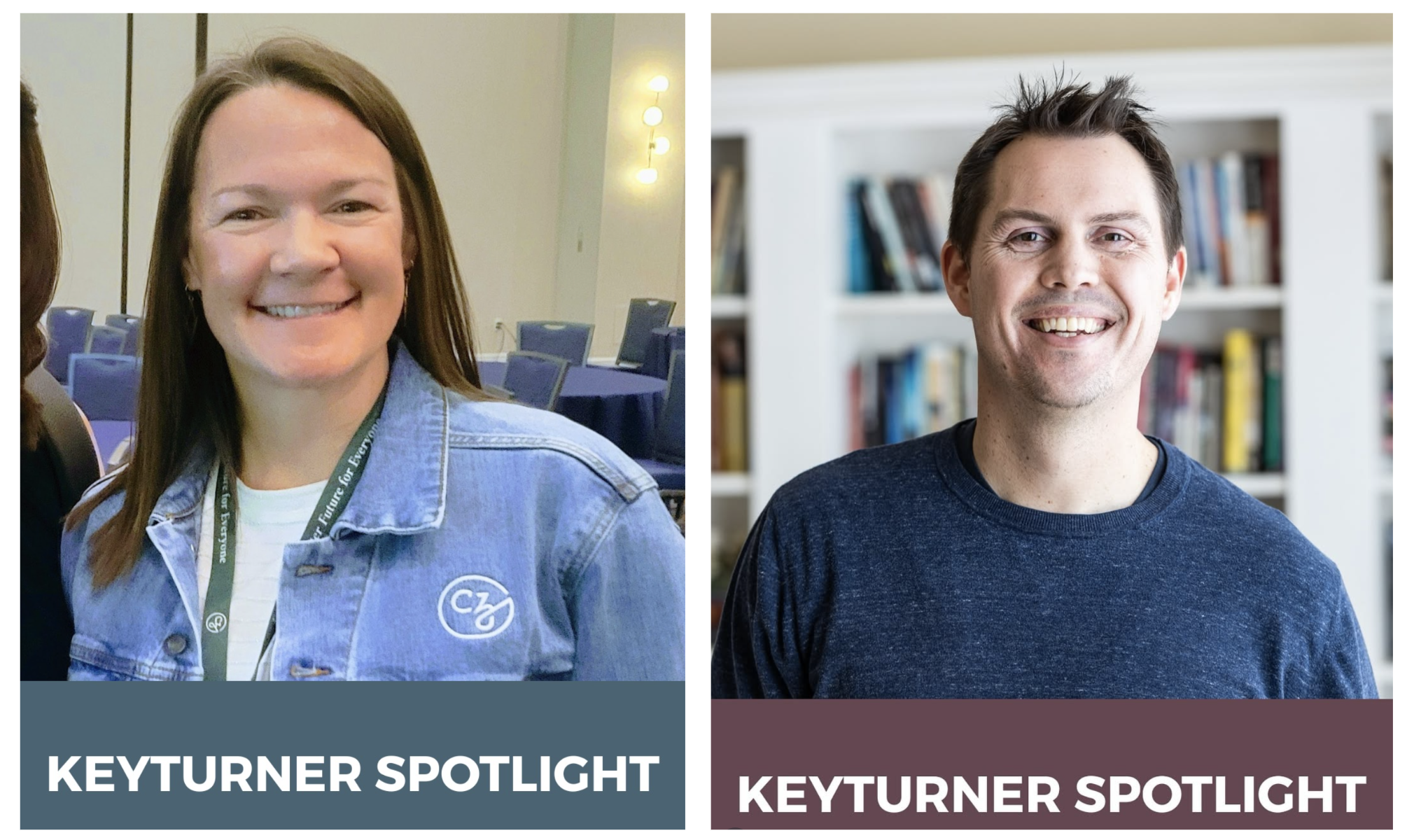
Highlight members of your program. It builds connection with existing supporters and encourages others to join them in doing good!
Donor Stewardship & Retention
What is the best approach to ask current monthly donors to increase their giving amount?
Timing and gratitude are everything here.
Ask for upgrades directly, but only once a year, and only after you've delivered on your donor promises. Have they received those special impact reports? Were they invited to exclusive experiences? Have they been thanked consistently and well?
When you do ask, lead with gratitude for their existing support. Then showcase what increased monthly support would make possible for your organization.
Here's a practical tip: have your monthly giving manager include a line in their email signature that says something like, "If you'd like to upgrade or change your monthly giving amount, please contact me." This creates a low-pressure, standing invitation.
For more formal upgrade campaigns, use multiple touchpoints. Send a year-end letter asking for an upgrade, but call supporters before the letter arrives to thank them and let them know it's coming. Follow up with an email highlighting both gratitude and urgency around reaching your goal.
Dave Rayley calls this "the power of the personal touch combined with written communication." One method alone is good. Both together are powerful.
Lastly, check out 4aGoodCauses' easy one-click upgrade feature. I was so excited to see this!
What are best practices for stewarding and retaining high-value monthly donors?
Map out both your external donor promises and your internal systems.
Decide what special touches happen at different giving levels. Maybe supporters giving $100 a month get invited for coffee. Higher amounts get lunch. Everyone gets handwritten cards at key moments.
Once your program grows beyond 200 recurring supporters, consider creating different membership levels or tiers. But be careful not to over-promise. It's better to under-promise and over-deliver than the reverse.
The biggest retention factor isn't elaborate perks. It's consistent connection and proof that their support matters. Show them the impact. Include them in the story. Make them feel like insiders who are part of making the mission possible.
Most donors don't leave because they stop caring about your mission. They leave because you stop making them feel valued. Stewardship isn't just a nice-to-have. It's how you keep the foundation strong.
In-Person Tactics
What are best practices for tabling events focused on monthly giving recruitment?
I've seen more organizations successfully table for monthly giving recruitment recently. Anyone else been stopped by the Nature Conservancy to join their program?
When done right, tabling can have good ROI.
The biggest factor is having the right people tabling at the right time. This is not high-value work for executive directors or development directors. They should be empowering volunteers or entry-level staff to do this work.
You'll also want to ensure you have a good tabling location. Are people who align with your mission in this area? Do you have clear permission to be there?
When empowering people to table, make sure they know how to talk about your organization and why monthly giving matters. Just as importantly, help them understand that this isn't a hard ask that will hurt your reputation. You need friendly, warm people who understand that monthly giving isn't for everyone, and that someone declining isn't a rejection of them or the mission.
It takes a special kind of people-person to do this well. Someone who can invite without pressuring, who can handle "no thank you" (and honestly rude comments) with grace, and who genuinely believes in the power of collective action.
So tell us: What resonates with you from these answers? What would you push back on? What's working (or not working) in your monthly giving program right now?
We'd love to hear from you and continue this conversation.
Stay connected with People First:
Email us anytime: humans@peoplefirstcom.com
Join our quarterly newsletter for practical fundraising and marketing tips
Follow us on social media (LinkedIn, Facebook, Instagram)
I'll leave you with this:
"The best time to plant a tree was 20 years ago. The second best time is now."
Start planting seeds in your monthly giving garden today. Tend to it over time. And don't expect to become a farmer overnight. Monthly giving programs grow through consistency, care, and patience.
Here's to growing your program and building deeper relationships, bit by bit, that transform how your organization can deliver its mission and change lives!